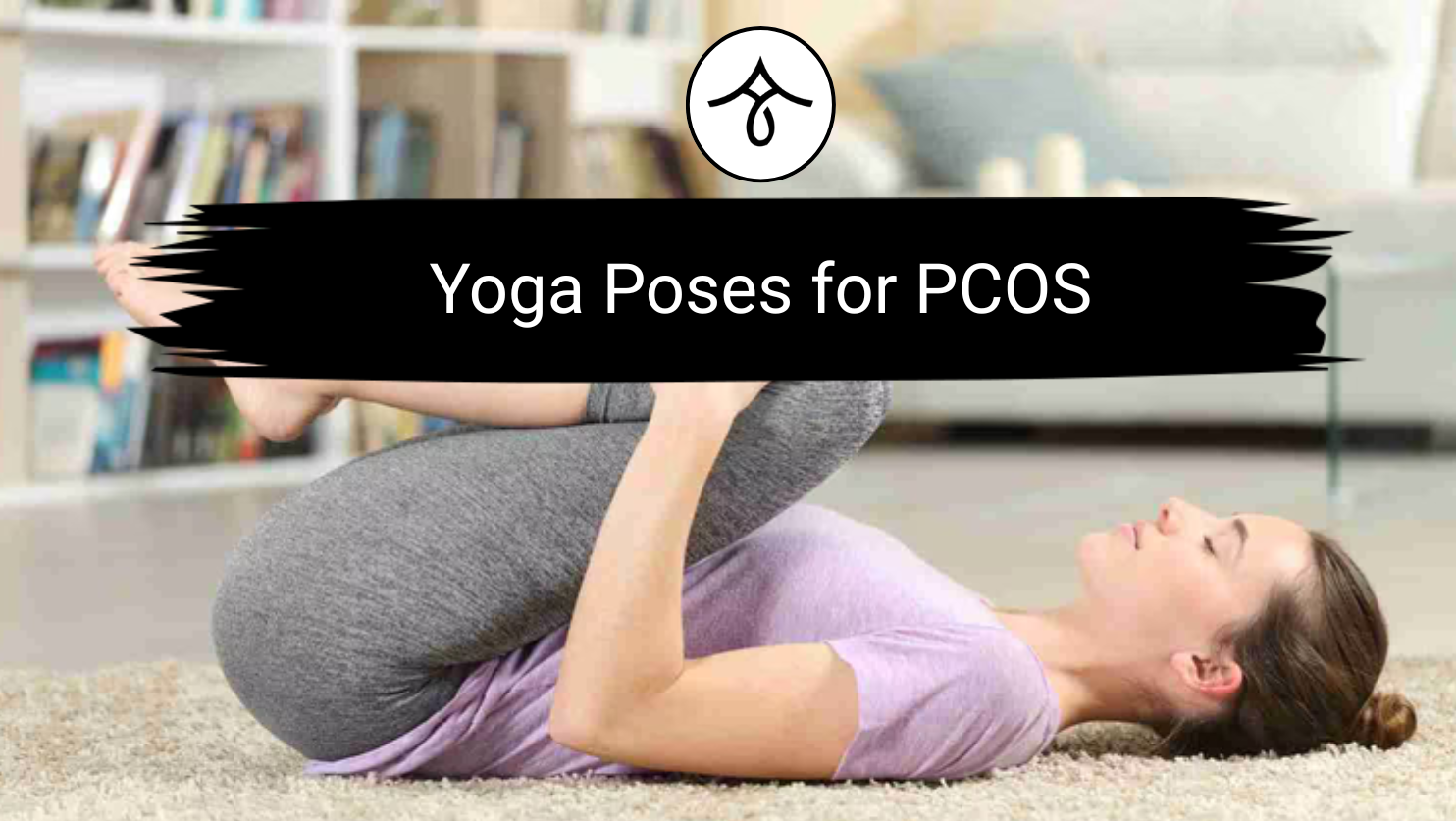
The polycystic ovary syndrome, or yoga poses for PCOS, is becoming a common yet painful problem that women today are dealing with. The sedentary lifestyle leads to imbalances in hormonal imbalances and hampers the functioning of the endocrine system. This is an endocrine disorder where women often face irregular menstruation, excessive weight gain, and also suffer from problems in ovulation and fertility. Females often face cystic growth in their ovaries, which can be painful and can obstruct pregnancy.
Yoga is a support that is natural and holistic, and can manage the bothersome symptoms of PCOS in women. On including Yoga in daily routine, the body resets and regains the natural balance, making it healthy and immunised to various disorders. In the case of PCOS, Yoga ensure a healthy lifestyle, a healthy diet, and a healthy way of managing weight and balancing hormones that too in a natural way. This is the safest way to live happily and pain-free. Understand how yoga helps PCOS patients!
Key Benefits of Yoga for PCOS
PCOS is caused by both mental and physical factors. When you are living a stressful life, it can also cause and stimulate PCOS. Here are the ways Yoga manages PCOS:
- If you are stuck in a loop where you do not get time for yourself, include yoga to relieve the pain caused by PCOS.
- Yoga improves mental health; there are various poses and methods in yoga that help in dealing with daily stress and anxiety. When you are able to manage stress, you have already gone halfway to keeping PCOS under control. Yoga is known to calm the mind and bring peace and balance to your mental health.
- The next benefit Yofa gives to the PCOS patients is the hormonal balance. Hormones play a major role in PCOS. When the hormones are disturbed, PCOS can aggravate; therefore, yoga asanas have the power to balance the hormones and keep them at a normal level. This helps in calming the PCOS and ensuring a healthy a balanced living!
- PCOS can affect physical health; thus, yoga asanas bless the human body with immense health benefits. PCOS helps in managing weight, which is usually both the cause and symptom of Polycystic Ovary Syndrome. Managing weight reduces the effects of PCOS in the body. Moreover, Yoga also offers other physical fitness benefits.
- PCOS can make you feel lethargic and tired, and Yoga can again be a Hero here. Yoga helps give the body the daily dose of energy, strength, flexibility, and power to the body.
- Yoga advises one with the right food habit, right lifestyle, and the right way to live, more than just managing Polycystic Ovary Syndrome, it manages and heals the whole body, it horminises teh body, the soul, and also the mental health, ensuring a right equilibrium in the body. It teaches us the way to manage our bodies naturally!
Breathing Techniques for PCOS
Breathworks in yogic discipline are amazing for dealing with PCOS. The best ones are as follows:
1- Brahmari Pranayama:
In thispranayama, sit in an upright position, inhale and exhale, and make a humming sound. This helps in dealing with stress and ensuring great mental health.

2- Kapalbhati Pranayama:
This is a fast pranayama here you Firstly, sit straight, inhale deeply and exhale with force while tucking your navel to your spinal cord. In simple words, pulling the navel inside. Keep repeating this for a few minutes. This can clean your frontal lobe; it also manages diabetes and other factors that can contribute to Polycystic Ovary Syndrome.

3- Nadi Shodhana Breathwork:
This helps in balancing the nervous system. Here you simply have to perform alternative breathing, inhaling from on, and exhaling from the other. This calms our body and manages Polycystic Ovary Syndrome.

4- Ocean Breath:
Also famous as Ujjayi, here you need to make a gentle constriction in your throat. This will produce an ocean-like sound while breathing. It regulates the temperature of the body and calms the mind.

10-Minute Yoga Routine for PCOS
So are you ready to challenge PCOS, that too, naturally! So here you go:
1- Start with Malasana, it will strengthen and cleanse your pelvic area and ensure great blood flow in your pelvic region.
2- Then you can perform Baddha Konasana, which relaxes and relieves the discomfort that arises during periods.
3- After that, you can perform Setu-Bandhasana, where the core and gut are involved. It strengthens the body and helps with reproductive problems; it also aids natural pregnancy and calms the troubling menstruation.
4- Next is Dhanurasana, practising this again can help improve the health of your pelvic region, reproductive system, and regulate the menstrual cycle.
5- Chakki-Chalasana can also be performed to enhance the functioning of the endocrine gland and balance the hormonal release to regulate Polycystic Ovary Syndrome.
6- Bhujangasana, or the cobra pose, is very effective in managing the symptoms and fighting the cause of Polycystic Ovary Syndrome. You can also include this in your yoga sequence.
7- Marjariaana and Bitilasana are other wonderful poses for PCOS; these help in relieving stress and stimulating organs in the abdomen.
8- Janu-Sirsasana can be a part of your yoga routine for PCOS. It will calm the mind and help in good mental health, which will, in turn, relieve the symptoms of Polycystic Ovary Syndrome.
9- Savasana can be the last; it helps you to relax, rejuvenate, and ensure overall well-being!
Common Mistakes to Avoid
- Never overdo any yoga pose.
- If it causes discomfort or aggravates the symptoms, stop doing it.
- No one routine is for all; yoga depends on your unique body type. Therefore, consult and practice yoga under an expert’s guidance.
- Do not rush, stay patient.
- Always tell all your symptoms and body situation to the yoga guru to get a customised yoga routine.
- Stay disciplined in diet and lifestyle suggested by the yoga guru, because yoga alone without a good sattvic diet is not that effective.
So, stay careful and consistent, and let yoga help you holistically!
Read More: Bhramari Pranayama (Bee Breath) -Steps and Benefits